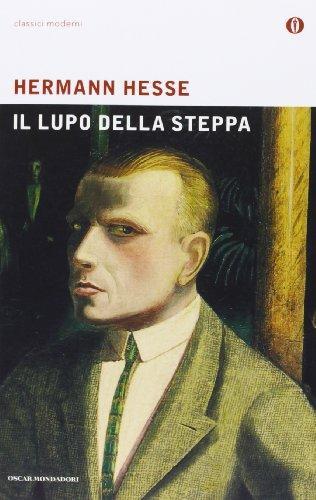
Hesse schreibt schöne Sätze. Schnell kommt man in den Geschmack, als der Protagonist Harry am Anfang eine Art depressive Zufriedenheit beschreibt.
Wer die anderen Tage geschmeckt hat, die bösen, die mit den Gichtanfällen oder die mit jenem schlimmen, hinter den Augäpfeln festgewurzelten, teuflisch jede Tätigkeit von Auge und Ohr aus einer Freude zur Qual verhexenden Kopfweh, oder jene Tage des Seelensterbens, jene argen Tage der inneren Leere und Verzweiflung [...] - wer jene Höllentage geschmeckt hat, der ist mit solchen Normal- und Halbundhalbtagen gleich dem heutigen sehr zufrieden.
Diese Sprache liest sich für den großteil des Buches recht schön. Mitunter wird es dann aber richtig schmalzig, vor allem dann, wenn Hesse seinen offensichtlichen Überlegenheitswahn zu Papier bringt. Dass Harry ein einsamer, leidender Steppenwolf ist, macht ihn überhaupt erst zu einem großen Künstler. Und wenn er es nur schafft, über das Leben zu lachen, dann ist er schon ein Gott geworden, über die Menschheit erhaben. Harry und seine Mentorin Hermine sind "die Anspruchsvolleren, [die] mit der Sehnsucht, mit der Dimension zuviel", die gar nicht leben könnten, "wenn es nicht außer der Luft dieser Welt auch noch eine andre Luft zu atmen gäbe, wenn nicht außer der Zeit auch noch die Ewigkeit bestünde, und die ist das Reich des Echten". Aua.
In der Bewältigung seiner Mid-Life-Crisis erkennt Harry allerlei profunde Dinge. Zumindest lässt die Sprache das vermuten. Eigentlich ist es zu großen Stücken ein ziemlich dümmlicher Sexismus, der der Leser*in da als bahnbrechende Erkenntnis verkauft wird. So stellt Harry einen großen Fehler seiner Vergangenheit fest: "Immer hatte ich von den Frauen Geist und Bildung verlangt, ohne je ganz zu merken, daß auch die geistvollste und verhältnismäßig gebildetste Frau niemals dem Logos in mir Antwort gab." Welche Frau könnte da auch mithalten? Zum Glück hat Harry mittlerweile eine Frau gefunden, die ganz seinem Geschmack entspricht: "Maria hatte keine Bildung, sie hatte diese Umwege und Ersatzwelten nicht nötig, ihre Probleme wuchsen alle unmittelbar aus den Sinnen".
Ein wirklich drolliges Beispiel idiotischer Männlichkeit ist, wie simpel sich Harry die Ursachen der Trennung von seiner Familie erklärt:
Das andre Mal war über nacht mein Familienleben zusammengebrochen; meine geisteskrank gewordene Frau hatte mich aus Haus und Behagen vertrieben, Liebe und Vertrauen hatte sich plötzlich in Haß und tödlichen Kampf verwandelt, mitleidig und verächtlich blickten die Nachbarn mir nach.
Und während mit Harrys elitärem Kulturkonservatismus im Laufe des Buchs gebrochen wird, bleibt der Rassismus stets wie eine Tatsache stehen. Jazz-Musik hat dann den Vorzug einer "großen Aufrichtigkeit, einer liebenswerten unverlogenen N****haftigkeit und einer frohen, kindlichen Laune" und "kein einziger Mensch, auch nicht der primitive N****, auch nicht der Idiot, ist so angenehm einfach, daß sein Wesen sich als die Summe von nur zweien oder dreien Hauptelementen erklären ließe."
Bei so viel immer wieder auftauchender Dummheit wundert es nicht, dass auch die Moral der Geschicht hübsch simpel ist. Nach all den durchaus interessanten Untersuchungen über die menschliche Seele und ihre inneren Konflikte ist der einfache Weg zur Transzendenz: der Humor! Man müsse nur über sich selber lachen lernen, und schon erreiche man Unsterblichkeit.
Einmal würde ich das Lachen lernen. [...] Mozart wartete auf mich.
So zieht es sich eigentlich durch die ganze Geschichte. Die tiefen inneren Konflikte, die Harry plagen, werden wunderbar treffend beschrieben. Das Traktat vom Steppenwolf enthält eine absolut lesenswerte Analyse, wie man sich mit einem zu vereinfachten Selbstbild das Leben zur Hölle machen kann. Aber immer dann, wenn das Buch uns Lösungen und Auswege präsentieren will, liefert es wenig mehr als sprachlich bombastische Kalendersprüche und reaktionären Kitsch.